Sé de Braga e Tesouro-Museu
SOBRE | ABOUT
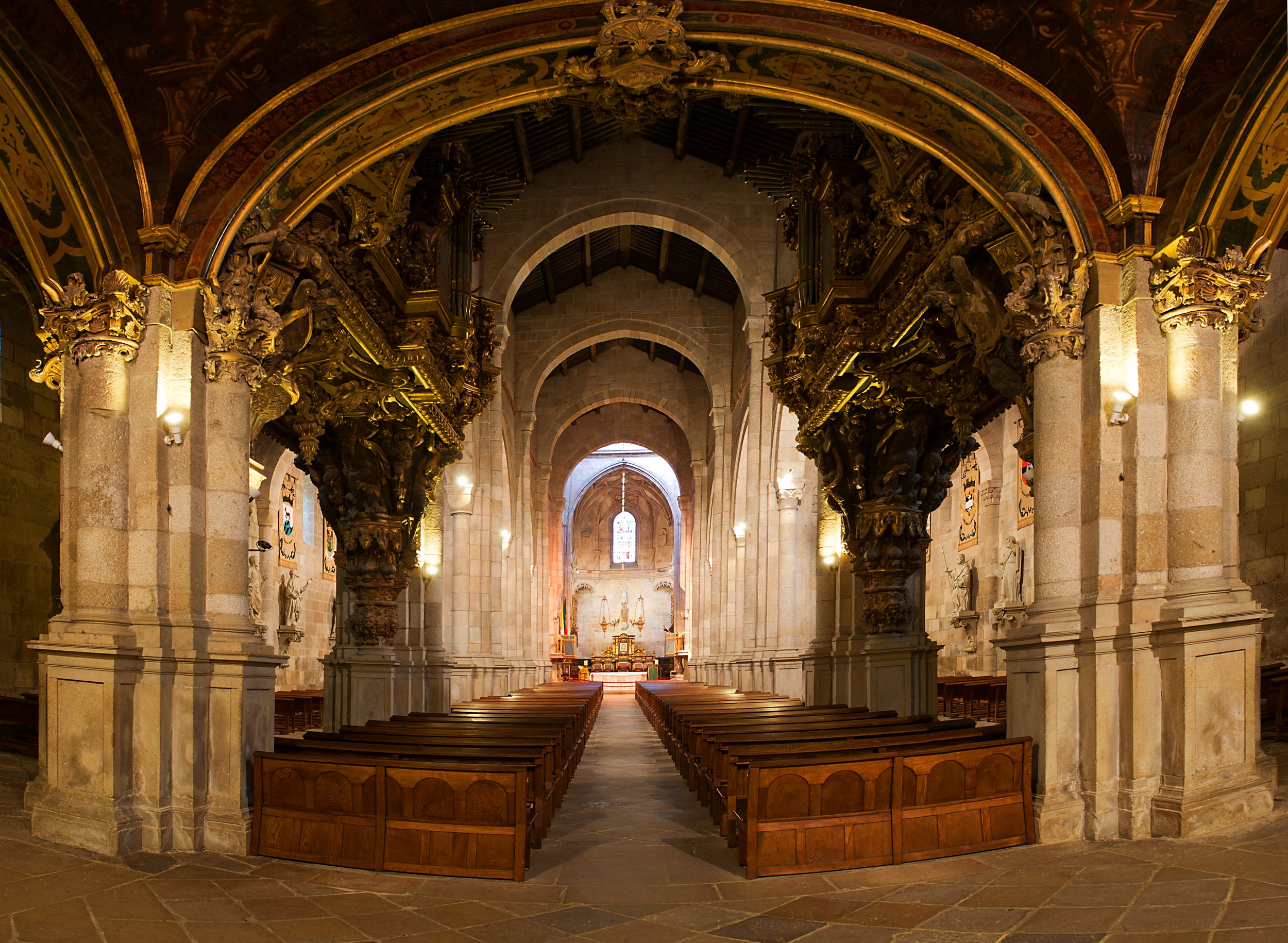
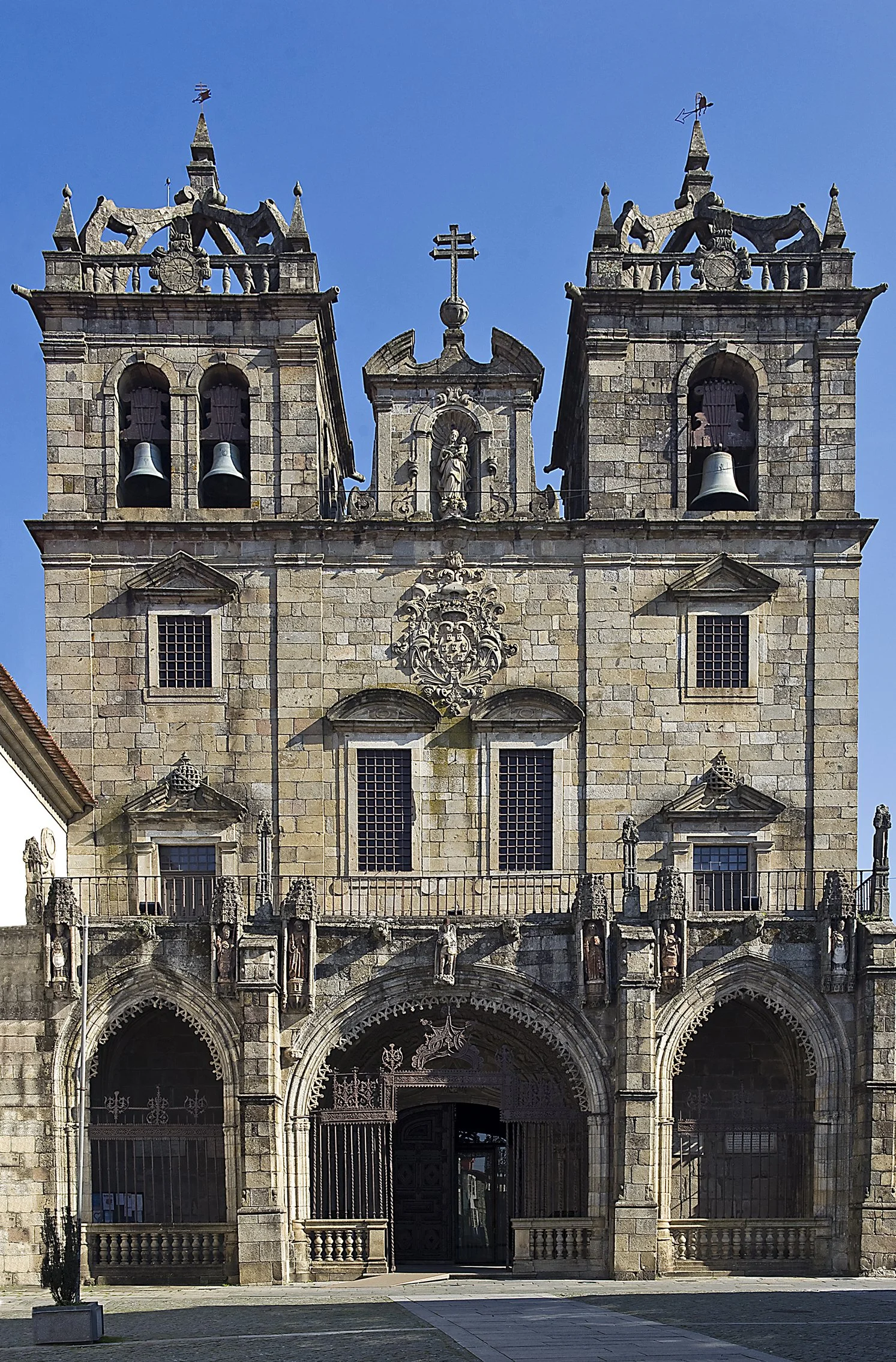
Localizada no centro histórico de Braga, a Sé de Braga é o monumento religioso mais antigo de Portugal e um dos mais importantes do país. A sua construção iniciou-se no final do século XI e a catedral foi solenemente dedicada à Virgem Maria a 28 de agosto de 1089, quando Portugal ainda não existia como nação. Ao longo de mais de 900 anos de história, a Sé tornou-se um dos principais símbolos religiosos, culturais e artísticos da cidade.
O complexo arquitetónico da Catedral reúne diversos estilos artísticos, desde o românico inicial até intervenções posteriores de grande impacto, como o barroco do Coro Alto e dos órgãos monumentais. A riqueza histórica e artística do edifício faz da Sé de Braga um dos locais mais visitados da cidade, acolhendo milhares de visitantes nacionais e estrangeiros ao longo do ano.
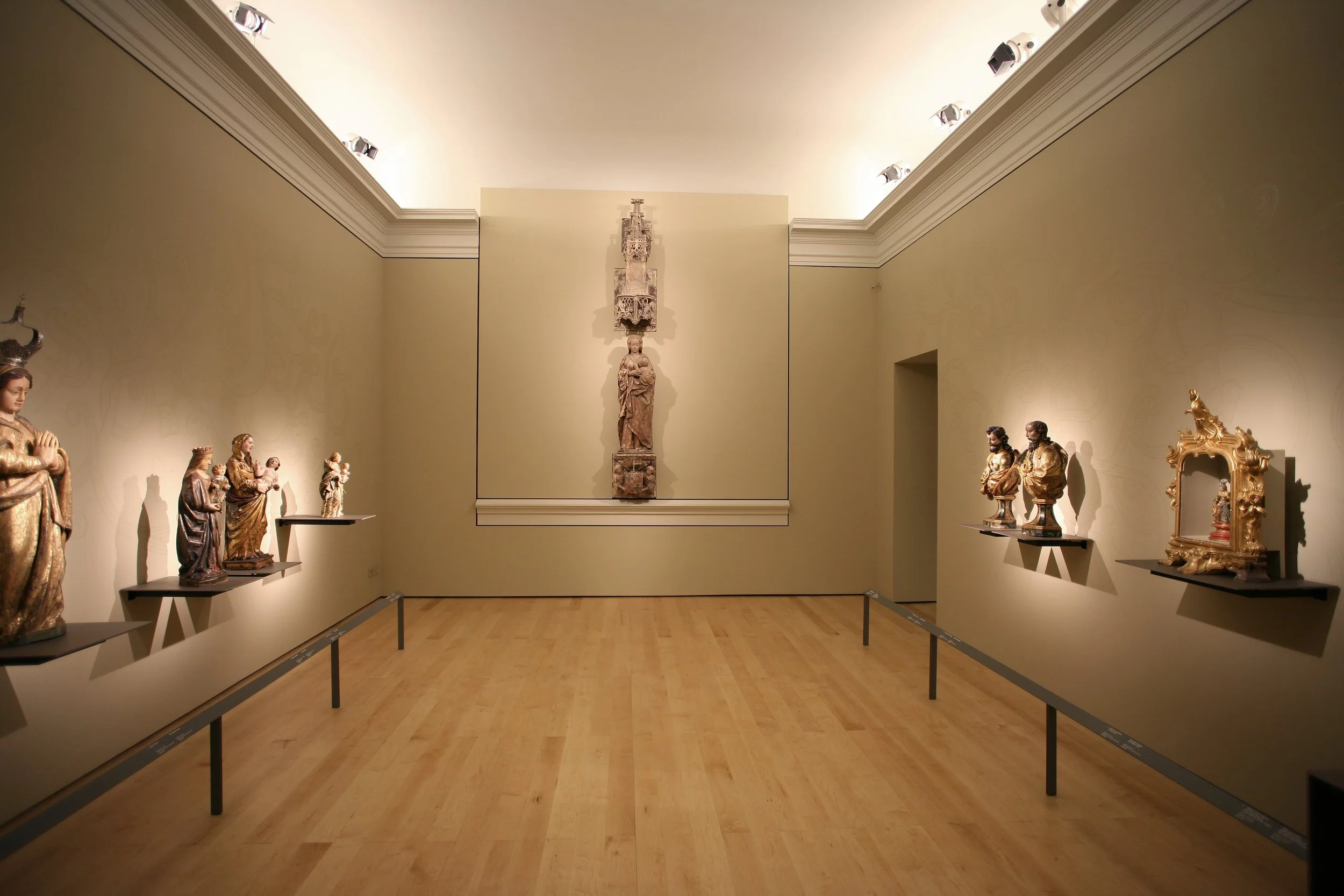
Integrado neste conjunto encontra-se o Tesouro-Museu da Sé de Braga, instalado na antiga Casa do Cabido, edifício do século XVIII. O seu acervo reúne valiosas peças de arte sacra recolhidas ao longo de mais de mil anos de vida cristã associada à Catedral, testemunhando a importância histórica e religiosa da Arquidiocese de Braga.
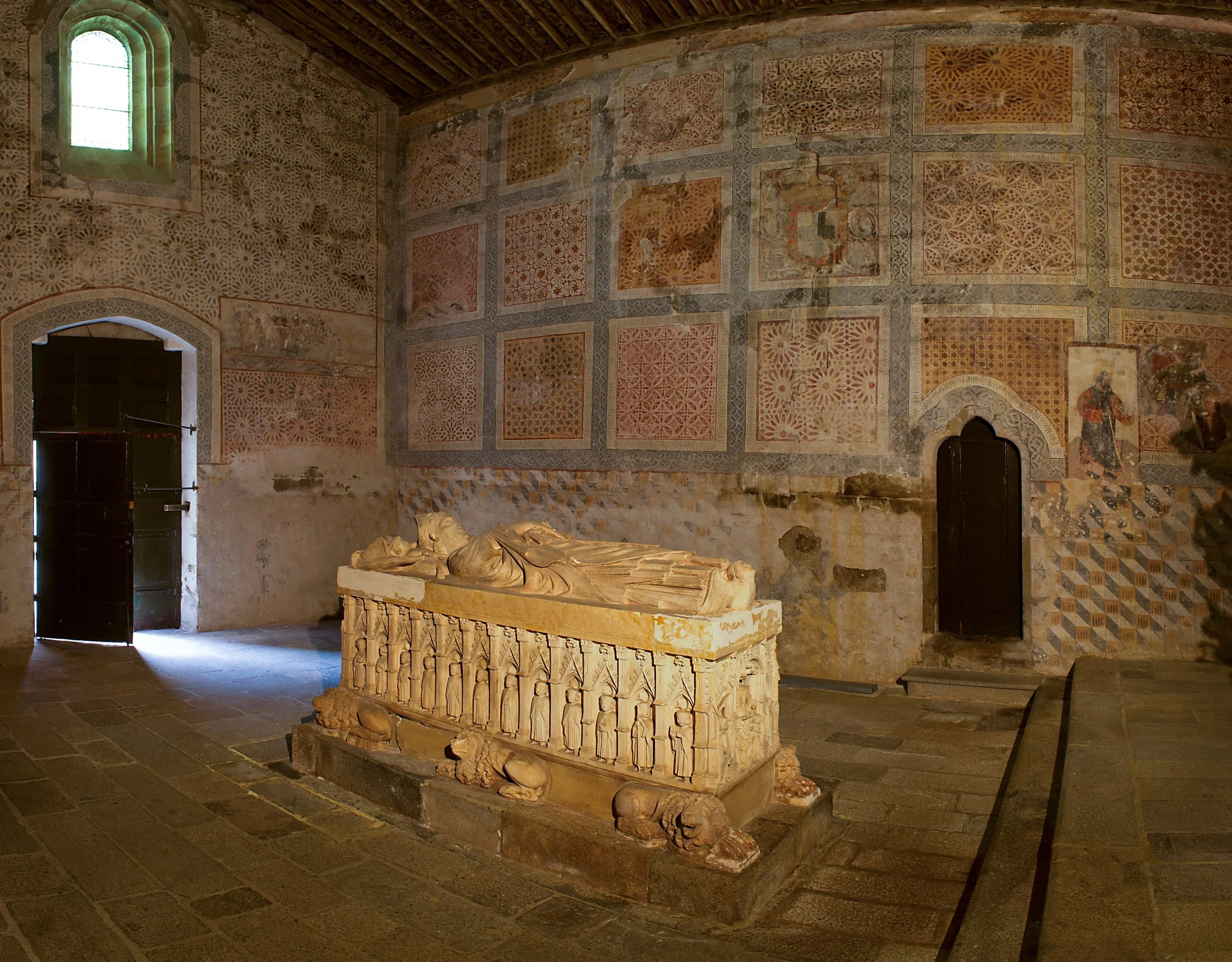
Entre os espaços mais relevantes do percurso visitável destacam-se várias capelas e elementos arquitetónicos de grande valor artístico. A Capela da Glória, construída no século XIV por iniciativa do Arcebispo D. Gonçalo Pereira, é um magnífico exemplo de arquitetura gótica e alberga o seu notável túmulo medieval esculpido em pedra de Ançã. A Capela de São Geraldo, profundamente remodelada no século XVIII, apresenta um retábulo de talha dourada e azulejos atribuídos a António de Oliveira Bernardes que ilustram episódios da vida do santo.
Na Capela dos Reis encontram-se os túmulos de D. Henrique e D. Teresa, pais do primeiro rei de Portugal, D. Afonso Henriques. Estes monumentos tumulares foram executados no século XVI e posteriormente transferidos para esta capela no final do século XIX.
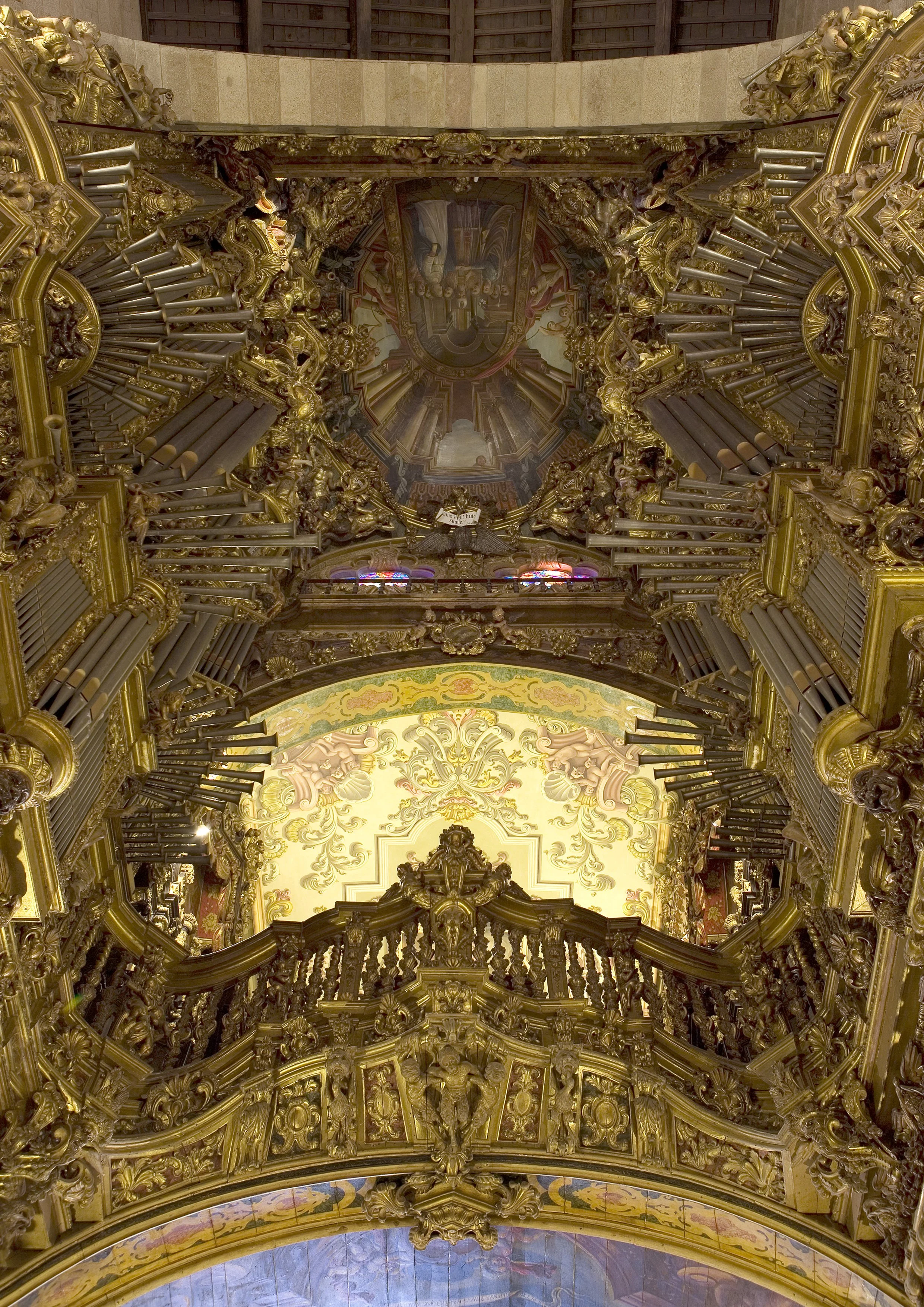
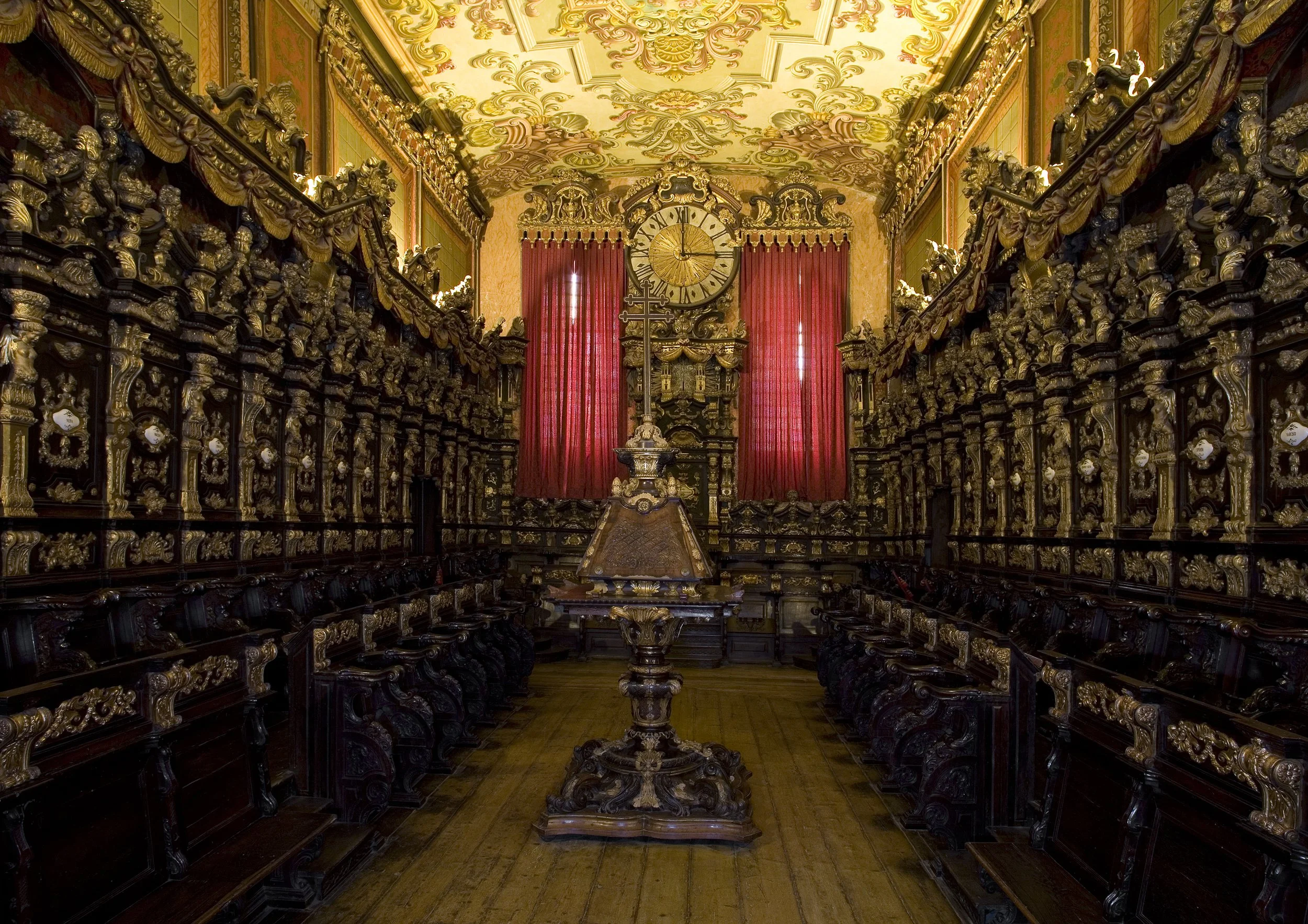
Outro destaque é o Coro Alto, cuja decoração barroca joanina inclui um magnífico cadeiral em pau-santo executado por Miguel Francisco da Silva na década de 1730. No mesmo espaço encontram-se ainda os órgãos monumentais, construídos entre 1737 e 1739, considerados um dos mais importantes conjuntos de órgãos ibéricos em Portugal, ricamente decorados com talha e elementos escultóricos.
Mais do que um monumento histórico, a Sé de Braga continua a ser um lugar vivo de culto e espiritualidade, mantendo a sua função original de acolher celebrações religiosas e momentos de oração, ao mesmo tempo que preserva um património único que atravessa séculos de história.
EN
Located in the historic centre of Braga, Sé de Braga is the oldest religious monument in Portugal and one of the most important in the country. Its construction began at the end of the 11th century and the cathedral was solemnly dedicated to the Virgin Mary on 28 August 1089, when Portugal did not yet exist as a nation. Over more than 900 years of history, the cathedral has become one of the main religious, cultural and artistic symbols of the city.
The architectural complex of the Cathedral brings together several artistic styles, from the early Romanesque to later interventions of great impact, such as the Baroque decoration of the Coro Alto and the monumental organs. The historical and artistic richness of the building makes Sé de Braga one of the most visited places in the city, welcoming thousands of national and international visitors throughout the year.
Integrated within this complex is the Tesouro-Museu da Sé de Braga, installed in the former Casa do Cabido, an 18th-century building. Its collection brings together valuable pieces of sacred art gathered over more than a thousand years of Christian life associated with the Cathedral, bearing witness to the historical and religious importance of the Archdiocese of Braga.
Among the most relevant spaces within the visitable route are several chapels and architectural elements of great artistic value. The Capela da Glória, built in the 14th century on the initiative of Archbishop D. Gonçalo Pereira, is a magnificent example of Gothic architecture and houses his remarkable medieval tomb sculpted in Ançã stone. The Capela de São Geraldo, extensively remodelled in the 18th century, features a gilded woodcarved altarpiece and tiles attributed to António de Oliveira Bernardes illustrating episodes from the life of the saint.
In the Capela dos Reis are the tombs of D. Henrique and D. Teresa, parents of the first King of Portugal, D. Afonso Henriques. These tomb monuments were executed in the 16th century and later transferred to this chapel at the end of the 19th century.
Another highlight is the Coro Alto, whose Baroque decoration from the reign of King João V includes a magnificent choir stall in pau-santo crafted by Miguel Francisco da Silva in the 1730s. In the same space are also the monumental organs, built between 1737 and 1739, considered one of the most important sets of Iberian organs in Portugal, richly decorated with woodcarving and sculptural elements.
More than a historical monument, Sé de Braga continues to be a living place of worship and spirituality, maintaining its original function of hosting religious celebrations and moments of prayer, while preserving a unique heritage that spans centuries of history.
HORÁRIO | OPENING HOURS
Segunda a Domingo
09h30 • 13h
14h30 • 18h
Monday to Sunday
9:30 am • 1 pm
2:30 pm • 6 pm
CONTACTOS | CONTACTS
(+351) 253 263 317
www.se-braga.pt
MORADA | ADDRESS
Rua D. Paio Mendes
LOCAL | VENUE
Imagens e informações disponibilizadas publicamente pelo espaço para fins de divulgação informativa.
Caso exista qualquer questão relativa a direitos de autor, o conteúdo será revisto mediante contacto.